

What is a control valve? What are the types of control valves?
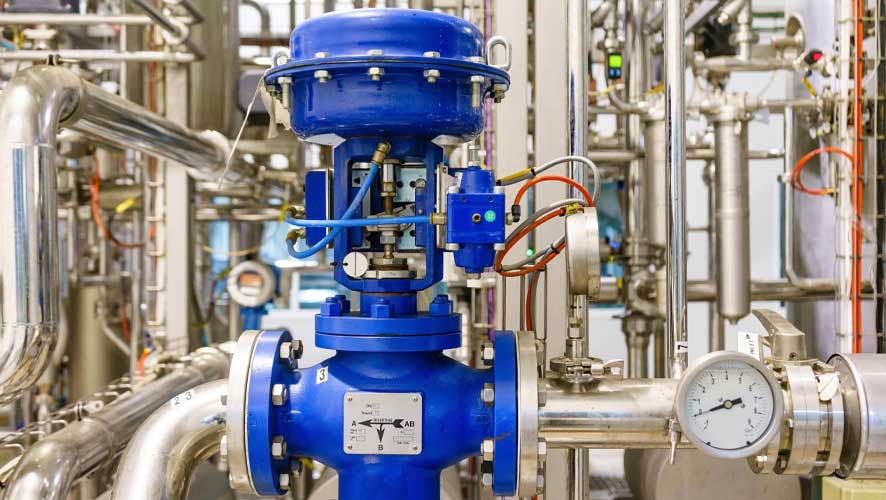
A control valve is a precision instrument that is widely used to regulate the flow or pressure of liquids and gases as a final element in industries and industrial automation.
Control valve components:
A control valve consists of two main parts: 1- Actuator 2- Valve, which we will examine below:
1. Actuator:
An actuator is a device that is responsible for executing control commands. For example, opening and closing a valve, which in fact creates a movement, so actuators are called actuators.
2. Valve:
A valve is a device that regulates, directs, or controls the flow of a fluid, such as gas, liquid, or solids with liquid-like behavior. Valves are basically considered as pipe fittings.
3. Positioner:
Valve Positioners are responsible for improving the performance and efficiency of the control valve assembly and of course, their presence in the assembly is not mandatory. Positioners mounted on the controls are of the pneumatic, electropneumatic or digital types and are used when the task is to regulate the flow. The positioner connects the input signal to the valve position and provides any pressure required to maintain this proportion.
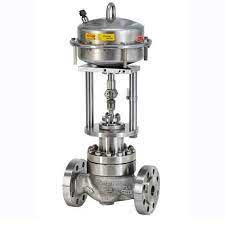
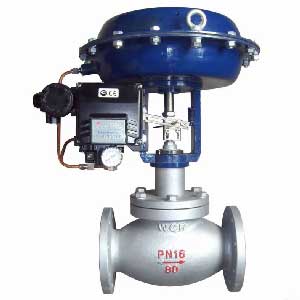
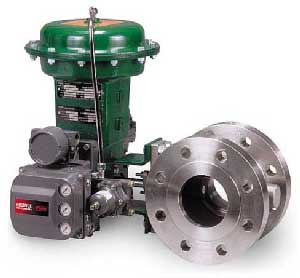
Application of various types of control valves in industry
Control valves are used in various industries as the final element of the automation system, including refineries, chemical and pharmaceutical industries, food industries, paper production and power plants. Their main functions include starting, stopping and directing the flow of fluids or regulating and reducing the flow rate, preventing backflow and reducing and regulating pressure.
As we have mentioned, the control valve is considered a final element in automation that improves the efficiency of the automation and instrumentation system by reducing operating costs and increasing the quality of system control. This is especially important when there are hundreds of control loops in an industrial process.
Control valves are used in various applications because there are different purposes for their use and they are considered important components of industrial control systems. Generally, they control the velocity of fluids such as chemicals, gases, or steam by varying the amount of fluid flowing through them based on control signals. By determining the velocity of the material, process characteristics such as pressure or temperature can be controlled.